

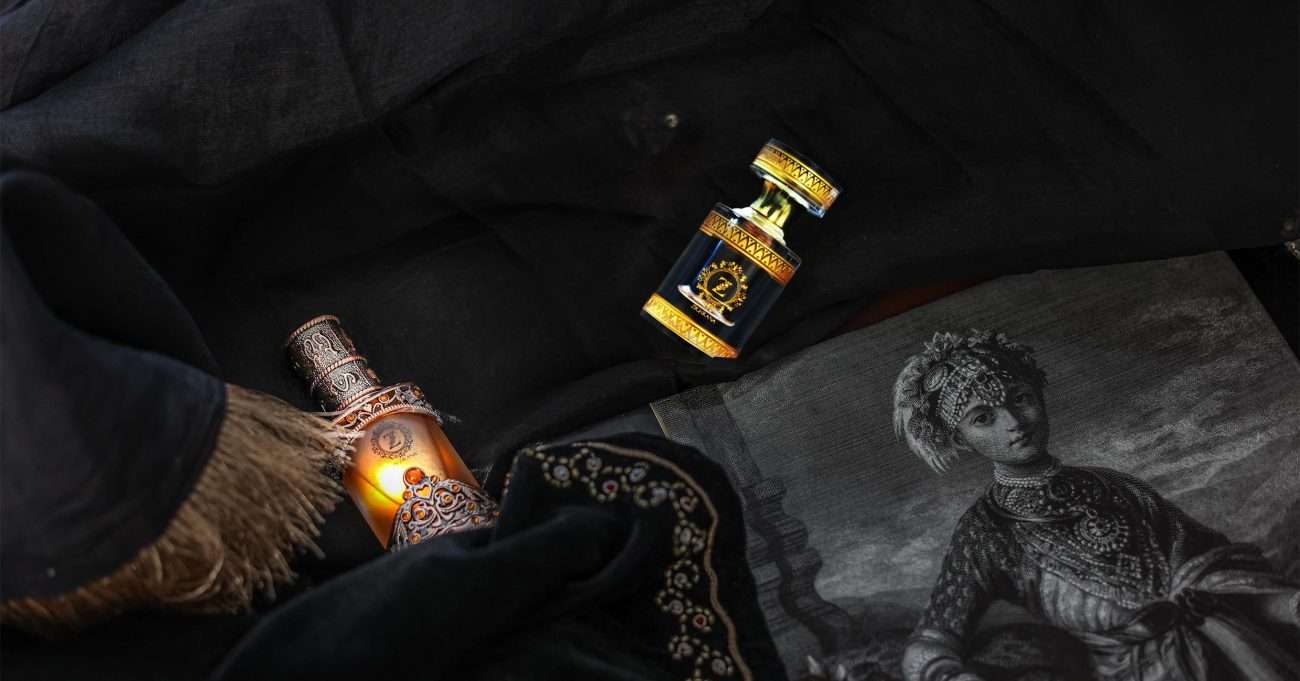
The Ancient Origins of Attar – India's Sacred Fragrance
A New Generation of an Old Tradition
Zighrana family has deep roots in perfumery, being the producer of traditional Indian attar and essential oils since 1911. Along with modern techniques, we still use the age-old method of extracting fragrances. Our perfumes are made up of some of the most exquisite, precious, and rare ingredients. Based in the perfume capital of India- Kannauj, our family is one of the pioneers who transformed this art into a profession. Using this age-old wisdom and expertise passed down to us from our forefathers and giving it a modern twist, we have come up with a range of perfumes that has all the beautiful shades, warmth, and richness of our city Kannauj.
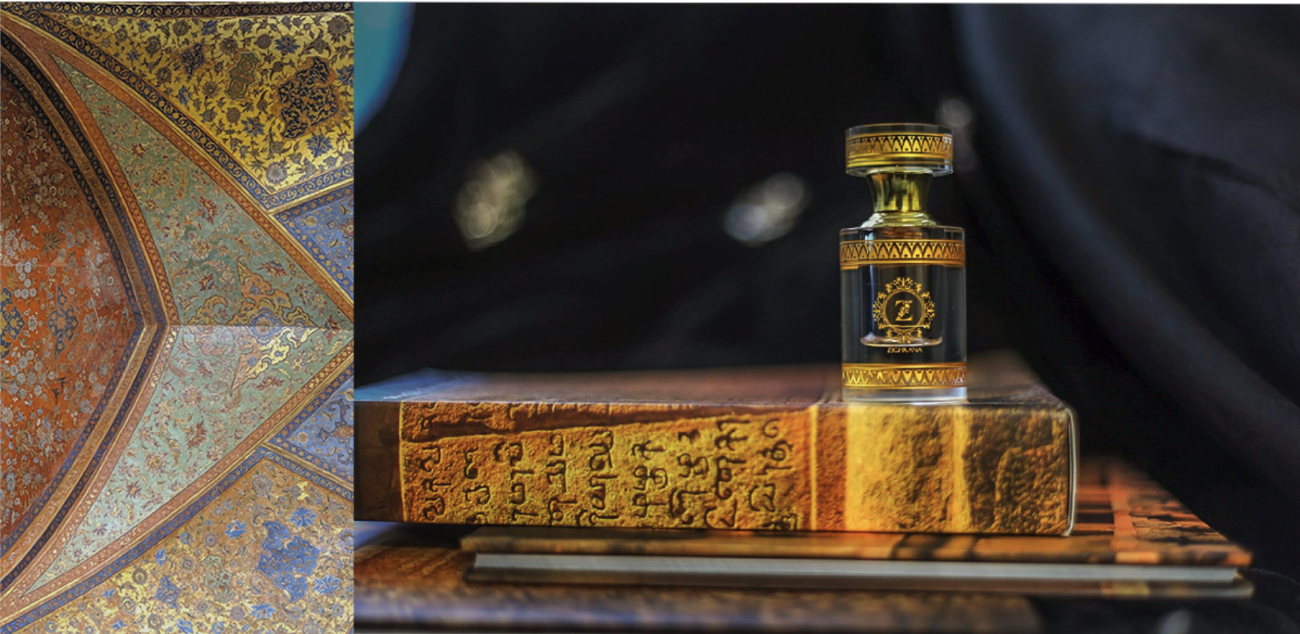
HISTORY OF PERFUMERY IN INDIA
India has its roots in perfume making since the Bronze Age. An archaeological expedition to the sites of Indus Valley in 1975 excavated a terracotta distillation equipment that dated back to 3000 BCE. There was evidence of perfumery as some perfume containers were also excavated alongside. The people of Indus Valley civilization had developed the art of obtaining aromatic waters or synthesizing several plant extracts for various reasons which were later adopted by Vaids and Hakims for medicine.Charak Samhita and Sushruta Samhita, two of the oldest and most authentic treatises on Ayurveda, have mentioned the use of perfumes in the ancient medical science of India.In ancient times, the art of making attars and floral waters had become well-established, particularly during the Gupta period. Harashcharatia by Banabhatta, who was one of the greatest masters of Sanskrit prose and poems in India during the 7th century, has given a vivid description of the use of incense in the marriage ceremony of Rajyashree who was married to King Grahvarman of Kannauj. He was the court laureate of King Harsha, who reigned c. 606–647 CE in north India, first from Sthanvishvara (Thanesar), and later Kannauj.In ancient Indian courts, attar was the fragrance of royalty. Maharajas and kings wore it as a mark of distinction, temples offered it to the divine, and it was woven into the most sacred rituals of Indian life. The rich legacy of ancient Indian aromas has continued into modern times. Many centuries back, the city of Kannauj in Uttar Pradesh became its home. Kannauj is called the perfume capital of India — it is for India what Grasse is for France.
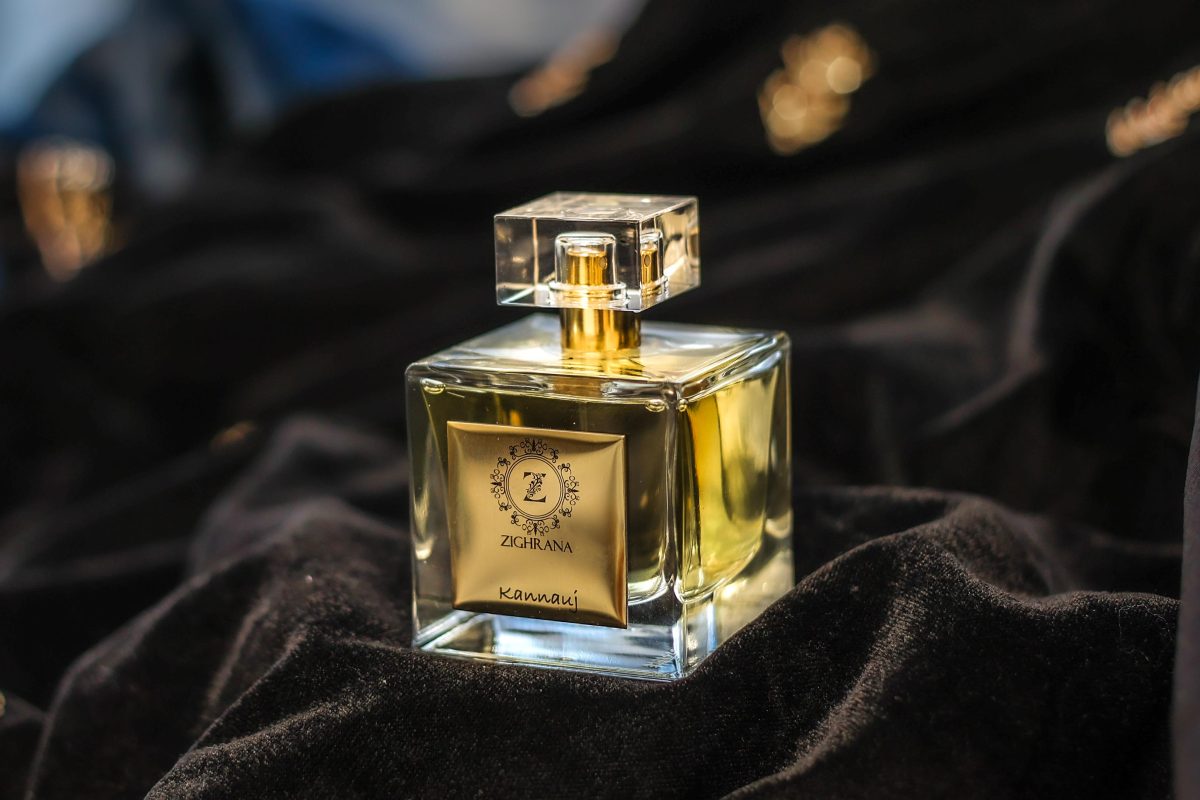
MAKING OF ATTAR
Deg-bhapka (hydro-distillation) process
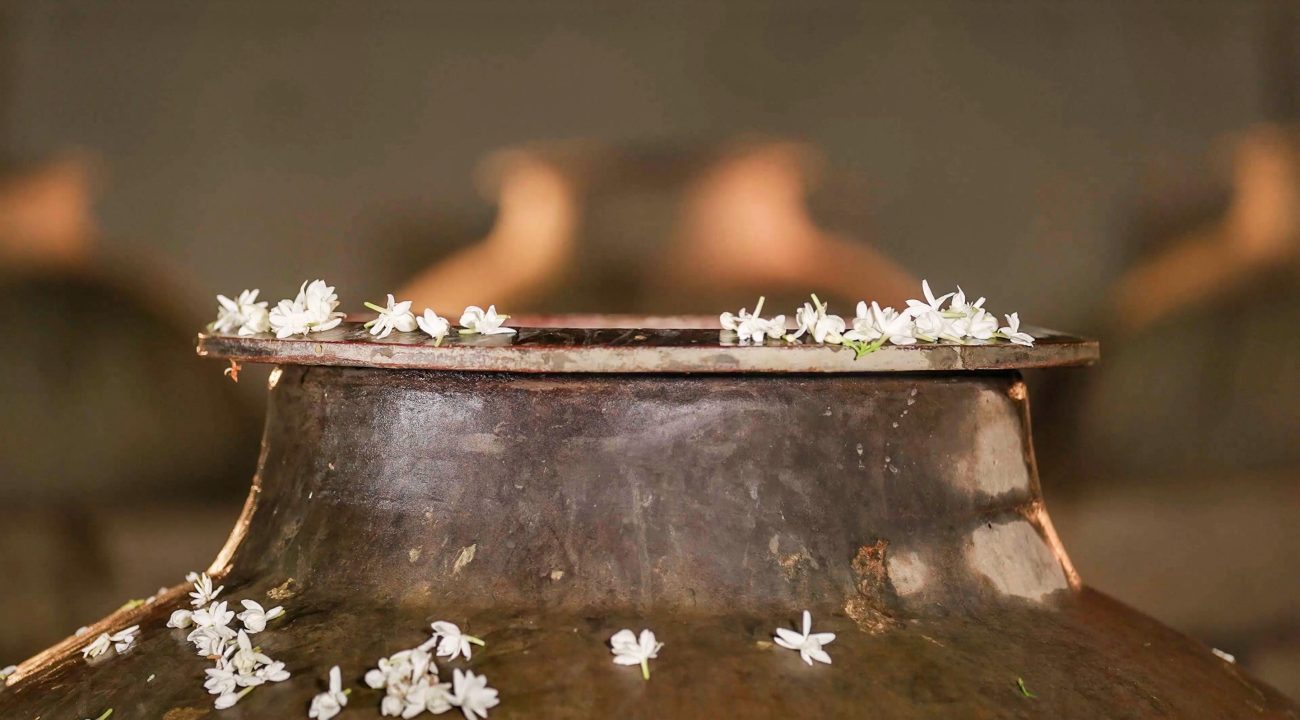
Before the first ray of sun strokes the morning dew, the flowers are handpicked and sent to distilleries. These flowers are tipped to large copper cauldrons filled with water, locally known as 'Deg'. Then these cauldrons are heated over the fire. A vigilant watch is kept on the cauldron to ensure just the right amount of warmth, a skill that comes with decades of experience. The oil after condensing flows down through the bamboo pipe to the receiver, also known as 'bhapka'. The bhapka with sandalwood oil is kept floating inside a square pool of cold water. The oil after condensing flows down through the bamboo pipe to the receiver. The mixture of oil and water received in the condenser-cum-receiver is separated and the same water is poured into the stills again and fresh flower petals are mixed and the process is repeated, till the desired quality is achieved. Attar is stored in a leather bottle known as 'kuppi' to evaporate the water content present in traces. This purified Attar is then filled in the glass bottle specially designed for presenting this 'nectar' to our valued customers.
Zighrana is derived from a Sanskrit word "jighrati" which means "to smell". Its logo was personally conceived by our founder, Swapnil Pathak Sharma, drawing inspiration from the 11th century Chola dynasty Shiva temple — Brihadeshwara. The design of 'Z' in the logo is a reflection of symbols and letters of the ancient inscription in the temple. In short, the logo reflects a perfect amalgamation of our ancient culture and our modern approach — a vision brought to life by its founder.